
Banana: Your Digestive Ally Against Constipation
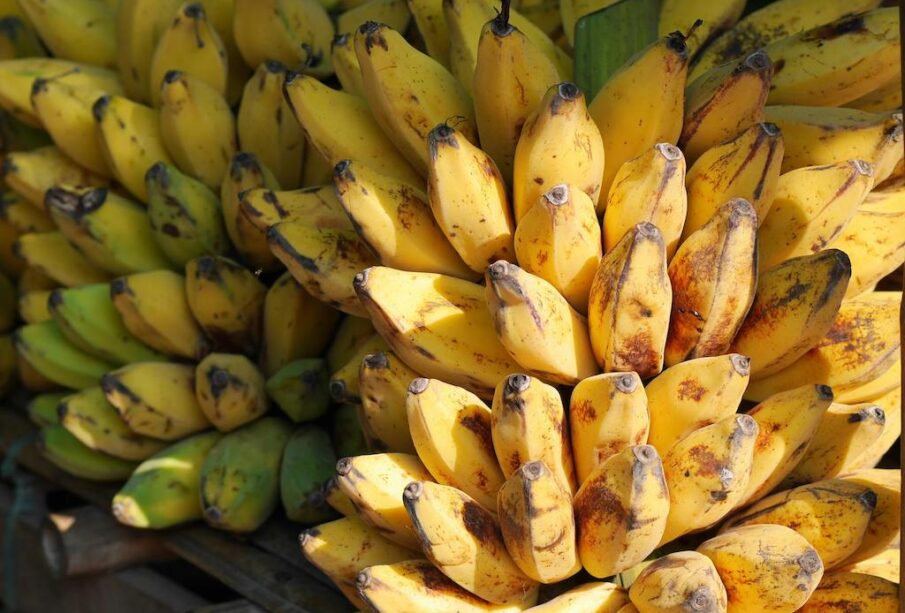
Nearly everyone falls prey to constipation at one time or another—more so when it comes to elderly individuals. People generally believe that if you are afflicted with constipation, you must give a wide berth to eating bananas.
As much as it is a delicious and healthy fruit loved by all, it has long become the focus of speculation and debate concerning constipation, a common gastrointestinal complaint.
My wife never eats bananas because she has constipation. She believes bananas aggravate the problem, as did most people I talked with. I still recall the old days when my grandma gave us kids bananas to eat when we had diarrhea, saying it worked wonders to stop loose bowels.
She instead goes for a heap of laxatives and stool softeners into the bargain. It works for her most days a week, but the irony of it all is that the motley medications do not work as a perfect remedy.
It was time I dug into this issue and got to the roots. Ta-da! My little research debunked the near folk myth that eating bananas aggravated the problem, instead helping those suffering from it—poop. It was nothing less than an eye-opener and a plausible answer to my wife’s misconception.

Bananas
In a nutshell, constipation is a condition that leads to fewer than three bowel movements a week with hard, dry, or lumpy stools that are difficult and, at times, painful to pass, leaving you feeling not all stool has passed through the rectum. My research led me to the finding that constipation is a health disorder affecting almost 20 percent of the world’s population.
Whether sporadic or chronic, the root causes of constipation rest on your diet or food. Also, medically-backed findings point to your habit and lifestyle. In other words, no physical activity or a sedentary lifestyle triggers constipation as your bowels lack smoother mobility, essential for maintaining a cleaner gut.
Health experts maintain regular workouts contribute to more than toning up the heart and the body muscles; they also boost regular bowel movements.
There is no denying that the food we eat should include ample amounts of fiber to tackle the problem of constipation and bloating. You will likely get constipated if your food needs more fiber, like leafy greens, vegetables, fruits, whole grains, or high-fat meals, such as meat, junk food, or processed food, outpace your dietary regimen.
Next, your daily intake of fluids needs to be improved, which can also precipitate in harder stools, which are usually stubborn from passing. Our body needs enough fluids to keep it functional, and science backs the theory. You won’t believe it! A whopping 67 percent of water makes up for our bodies.
Some primary reasons for constipation include prolonged consumption of processed meats, high-fat fried and fast foods, processed grain products like white bread, and higher intake of dairy items such as cheese and milk. Yogurt, however, does not fall into that category.
Now, the knotty question pops up: what makes bananas bowel-friendly and may help alleviate the severity of constipation?
Fiber-rich
The registered dietitians maintain that fiber-rich food is essential to keep you in excellent overall trim, including better gut health. Consuming adequate fiber can prevent or relieve constipation, aiding waste to move smoothly through the body, thus encouraging healthy gut microbiota.
Medical and health reviews claim dietary fiber enhances the bulk of stool, helps promote regular bowel movements, and cuts down on body wastes lodged in the intestines, helping against gastrointestinal disorders.
That said, what makes bananas functional in alleviating constipation, and even work as a prophylactic against it and relieve those suffering from this miserable condition?
For a start, bananas pack both soluble and non-soluble fiber. While insoluble fiber contributes to bulk, spurring bowel activity, soluble fiber absorbs water, helping stools stay large but soft, complementing the movement of waste through your digestive tract. Many plant foods, such as fruits, including bananas, broccoli, carrots, oats, and beans, fall under this category.
Rich in nutrients, if you eat two bananas a day, considered a healthy portion, they pack 6.2 gm of fiber, approximating 20 percent of your daily fiber requirement. Combined with other fiber-rich food, you can attain your body’s daily requirement of healthy fiber from 25 to 30 gm (both insoluble and soluble).
Storehouse of nutrition
There is more: the nutrient-dense bananas are a source of vitamin B6, potassium, magnesium, vitamin C, A, and over three times as much phosphorus and iron as apples, all contributing to a healthy heart, stronger bones, and help keep your cholesterol and BP in check and cuts down on the risk of stroke—the checklist seems still an arm long.

Bananas
Also Read : The Healing Herb Rosemary And Its Health Benefits
Go for the ripe ones.
Dieticians advise including ripe bananas in your daily diet as they help relieve constipation of their soluble fiber content. Unripe or under-ripe green bananas may lead to constipation because they contain a lot of starch, which can be challenging for the body to digest.
Good tidings for the diabetics! As maintained by the American Diabetes Association, the fiber in bananas counterbalances blood glucose at a safe level. Even diabetics can go for a modest single banana a day. Touted as a “superfood” at the turn of the 20th century, it also gathered a lustrous endorsement from the Journal of the American Medical Association.
However, you must incorporate a daily exercise regimen besides dietary fiber and ample fluids in your meals to get things moving for a cleaner gut. It helps boost your abdominal muscles, stimulate intestinal contractions, and aid your digestive system for an efficient bowel movement.
Hopefully, this write-up will rid my wife of the long-harbored fallacy and go for bananas—ha-ha!
Disclaimer: The above content provides generic information based on research. It is in no way a substitute for a qualified medical opinion. Always consult a specialist or your health care provider for further details.


Leave a reply
-
So, what are Tibetan Singing Bowls?
If you are a novice, at first glance, Tibetan singing bowls look ...


