
The Healing Herb Rosemary And Its Health Benefits
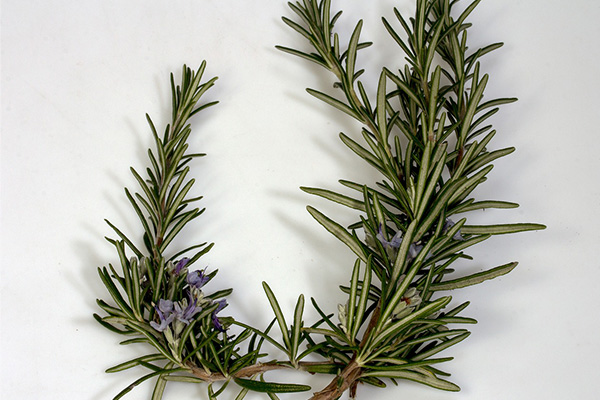
Rosemary (Rosmarinus officinalis) is a fragrant evergreen herb native to the dry, rocky terrains of the Mediterranean, Portugal, and northwestern Spain, especially along the coastal areas. The genus Rosmarinus derives from the Latin words ros and marinus, which translate to “dew of the sea.”
The herb was used for its potential health benefits, dating back to the ancient Greeks and Romans in 500 B.C. Apart from being used as a culinary condiment, the herb extract contributed to making bodily perfumes. History records that the Eau de Cologne Napoleon Bonaparte preferred comprised the essence of Rosemary.
Steeped in history, Greek scholars often wore it as a wreath to retain their profound intellect. So did the brides at their weddings, symbolizing happiness, loyalty, and love. The herb also became the subject of classic poetry and plays, often found in Shakespeare’s works. Also, when someone died, a sprig of Rosemary was placed in the hands of the deceased at a funeral as a token of memory.
Again, going by the legend, Rosemary originally bore white flowers but changed into blue when the Virgin Mary placed her cloak upon it while resting during her flight to Egypt.
Surprisingly, Rosemary also belongs to the mint family Lamiaceae, along with many other herbs, such as oregano, thyme, basil, and lavender.
Today, grown worldwide, the herb generally stands erect with needle-like, gray-green leaves, the shrubs growing from four to six feet high. You only have to pinch or squeeze a few leaves between your fingers to check its sharp and zesty redolence. You can’t help but utter the word: Wow!
Widely used as a condiment in culinary practice to accentuate the dish’s flavor, it effortlessly pairs with quite a medley such as poultry, fish, lamb, soups, sauces, stews, potatoes, or pizza-garnishing, you name it.
rosemary healing
It can also jazz up non-alcoholic beverages like sparkling water, iced tea, and lemonade to turn them into a healthy drink. For its woodsy solid flavor, slightly bitter and astringent, you must use it sparingly lest it gets the better of other spices and spoil your savory dish.
Further used in producing cosmetic and toiletry items, such as perfumes, soaps, creams, and lotions, people in Asia also burn them as incense.
And to go by history, the therapeutic herb, since times immemorial, has been used in folk medicine to alleviate several ailments from headache, stomach pain, arthritis, gout, and epilepsy to rheumatism, spasms, anxiety, hysteria, anxiety, depression, and dysmenorrhea.
In Ayurveda treatments, too, the essential oil extracted from Rosemary, known as Rujamari, is said to ease off in our metabolism, excess dosas like Vata and Kapha, and boost the Pitta. The oil extract from Rosemary also serves as a tonic for the hair, improving negative thoughts and relieving fatigue.
In both in vitro and in vivo investigations, the analysis led to the wonder herb’s rich source of iron, calcium, copper, and magnesium, with several vitamins like A, B, C, and E, as well as riboflavin and folate. Let’s look at other peer-reviewed and science-backed health-promoting benefits of Rosemary.
Potent against the risk of Cancer
- Rosemary comprises carnosic acid and carnasol, compounds known for their potent antioxidant properties. Clinical studies have discovered that these elements help delay the progression or reproduction of cancer cells, reducing the risk of developing tumors.
Helps Fight Diabetes
- Rosemary contains strong micronutrients like rosmarinic and carnosic acids, which exert insulin-like outcomes to help lower high blood sugar levels by promoting glucose absorption into body muscle cells. Clinical analysis shows rosemary extract and its polyphenolic constituents contain ant-hyperglycemic properties.
Improves Blood Circulation
- Efficient blood circulation in our body cells is crucial for our organs, like the heart, lungs, and muscles, to function adequately. Rosemary’s antioxidants and anti-inflammatory substances help improve blood circulation and cardiovascular health.
It aids and reinforces the Immune System.
- Rosemary’s carnosic and rosmarinic acids arm the herb with efficacious antiviral, antibacterial, and antifungal qualities. Regular intake of rosemary herb can lower the risk of infection and help the immune system.
Supports Brain Health
- The potent properties inherent in Rosemary upgrade mental health and promote memory by boosting the acetylcholine in our nerve cells, acting as neurotransmitters, our body’s prime chemical messengers. Scientific studies have supported that the carnosic acid content in Rosemary helps fight off damage caused by free radicals in the brain.
Clinical studies have shown that Rosemary may boost cognitive function and prevent memory loss in older adults or as we age. Believe it or not, scientists claim sniffing at Rosemary improves memory by as much as 75 percent.

Rosemary
Fights Stress and Anxiety
- Rosemary may be used as a snuff to enhance mood as a part of aromatherapy, which remained practiced since ancient times. Simply inhaling the strong whiff of Rosemary supposedly aids in lowering the cortisol levels in our blood to lessen stress hormones, alleviate stress and anxiety, and improve sleep.
Protects Vision
- Research has led to the finding that the carnosic acid in Rosemary slows down the age-related macular degeneration of our eyes, a leading cause of vision loss among the elderly.
Aids Digestion and gut health
- A cup of rosemary tea after a meal serves as a remedy for digestion-related issues. It boosts the balance of healthy gut bacteria in our body, thus supporting digestion.
Clinical studies have also shown that treatment with rosemary extract was effective in reducing colon tissue lesions, colitis, and irritable bowel syndrome. Furthermore, it was traditionally used as a natural cure for gastrointestinal issues like upset stomach, constipation, gas, and bloating, as it helps relax the intestine muscles.
Also Read : Banana: Your Digestive Ally Against Constipation
Good for Respiratory Health
- For containing a property called cineole (eucalyptol), Rosemary also treats inflammatory respiratory disorders, such as the common cold, bronchitis, and sinusitis. Drinking rosemary tea can offer relief if people get mucus buildup in the lungs.
Regarding how to brew a cup of healing rosemary tea, pour boiling water over a fresh rosemary sprig or dried rosemary leaves, cover it, let it stay for 5 to 10 minutes, and then strain it. Voila, your healing herbal tea is ready.
Caveat
Care and caution are essential when you introduce Rosemary into your diet plan. Maintaining moderation should take priority. The herb is usually safe when taken in low doses. Albeit side effects in ingesting it are rare, massive doses could cause possible side effects, though, like:
- vomiting
- spasms
- coma
- pulmonary edema (fluid in the lungs), its
- Further, pregnant women and children should avoid the intake of Rosemary for its possible adverse effects
Disclaimer: The views expressed in the above text are solely research-based, not medical advice; the author solicits readers’ discretion and cross-references or consulting a healthcare provider for further verification.


Leave a reply
-
So, what are Tibetan Singing Bowls?
If you are a novice, at first glance, Tibetan singing bowls look ...


