
Does Peanut Butter Make You Gain Weight And Put Muscle?
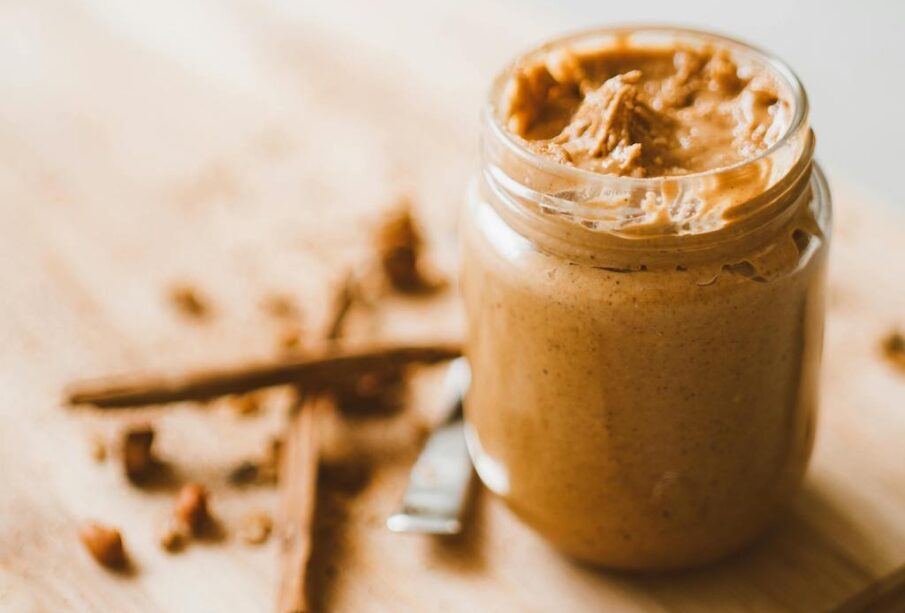
Peanut butter is made from groundnuts (called so because they are grown beneath the earth) that have been roasted and blended into a paste with ingredients such as salt, sugar, and hydrogenated vegetable oils. You can easily buy them off the shelf from any convenience store, both sugared and sugar-free.
According to FDA regulations, peanut butter must contain at least 90% peanuts to classify as peanut butter.
Peanut butter is phenomenally popular as a simple bread spread. The nutty paste is also widely used in desserts, smoothies, dips or sauces, granola bars, and even charcuterie boards.
It’s a small wonder that some 94% of American homes stow at least one jar of peanut butter in their pantry. History chronicles that the sudden meat shortage triggered by World War II made this creamy spread an American icon because of its high protein content.
There is more. The charismatic peanut butter garnered such social status that highly illustrious dignitaries, such as the presidents of the United States, like Virginia’s Thomas Jefferson and Georgia’s Jimmy Carter, were into peanut butter farming.
China outstrips all the countries worldwide with the highest peanut butter consumption. The country consumed a whopping 4210 TMT worth of peanut butter as of 2023.
The booming popularity of peanut butter rests on its unique taste, affordability, and versatile usage—whether eaten straight, as a sandwich spread, or as an ingredient for a score of culinary delicacies. But when it comes to its health benefits, it has an impressive side to it, too.

You can buy top-of-the-line peanut butter from health food stores, specialty grocers, or even online. However, always look for a product with only a dash of salt as an additive.
Most commercially produced peanut butter contains sugar, vegetable oil, and trans-fats, which whittles down its nutritional value.
You can make the peanut butter right at home, as natural as it can get and by far the best. All you need is an electric blender or food processor and these ingredients:
- 1 cup roasted and shelled (optional) peanuts
- 1½ teaspoons of peanut oil (or olive oil)
- ¼ teaspoon of salt
Blend the above in a food processor to your desired texture, either creamy or with a crunchy savor to it.
Nutrition table
(Source: WebMD)
Two tablespoons (32 grams) of natural peanut butter include:
- Calories: 190
- Protein: 8 grams
- Fat: 16 grams
- Carbohydrates: 7 grams
- Fiber: 3 grams
- Sugar: 1 gram
Peanut butter is also a good source of:
- Vitamin E
- Niacin (vitamin B3)
- Manganese
- Vitamin B6
- Magnesium
Peanut butter also contains copper, which nourishes our bones and blood vessels and helps boost our immune function.
Potential health benefits
Friendly to the heart
The Centers for Disease Control and Prevention (CDC) reports that heart disease is a leading cause of death in the United States. Incorporating nutritious food into your diet plan safeguards and helps avert heart disease.
Science-backed studies have shown that the majority of the plant-based fat in peanuts and peanut butter is heart-healthy monounsaturated fat, with proportionate levels of polyunsaturated and very low saturated fats.
These health-promoting fats in peanut butter lower the ‘bad’ cholesterol called LDL and the triglyceride level and boost the HDL, i.e., ‘good’ cholesterol.
Also packed with oleic acid and Omega-6 fatty acids, peanut butter manages healthy cholesterol levels, helps maintain blood pressure and blood sugar, curtails the risk of heart disease, and enables efficient blood vessel function.
Incredible as it may sound, peanut butter meets five out of eight measures of the American Heart Association’s “life’s essential 8“—the recommendations for supporting and nourishing cardiovascular health.

Peanut Butter
Also Read : Banana: Your Digestive Ally Against Constipation
People with diabetes may benefit.
As peanut butter has a low glycemic index, it does not cause sudden sugar spikes. Low in carbs, people with type-2 diabetes can consume peanut butter in moderation. Peanut butter is also a good source of magnesium, as it helps improve insulin sensitivity and lowers insulin resistance.
In short, peanut butter can be a healthy addition to a diabetic diet plan. However, it would help if you were mindful of the quality of the product. Always go for natural ones and avoid those with added sugars and hydrogenated oil. Since peanut butter contains higher calories, follow a nutritionist’s or dietician’s recommendation and stick to the specific serving size of two tablespoons daily.
Anticancer compounds
The antioxidant properties of manganese, vitamin E, and B, as well as the high level of polyphenols like p-coumaric acid and plant-based resveratrol in roasted peanuts and peanut butter, act as agents that aid in averting and restoring cell damage in our body, curtailing the possible risk of cancer.
Enhancing Cognitive Function and the Brain
Peanut butter contains a micronutrient like Vitamin E that supports brain health and enhances cognitive function. Vitamin E is a fat-soluble dominant antioxidant that protects brain cells from oxidative stress impairment.
Keeps at bay gallstones
In the United States alone, nearly 10 to 25 percent of adults suffer from gallstones. Expert observational studies have found that regular intake of peanuts and peanut butter helps reduce the risk of gallstones in men and women alike.
Since high cholesterols and bilirubin largely cause gallstone formation in the gallbladder, the cholesterol-lowering property in peanuts is supposed to check or cut down on the risk of such formations.
Muscle-building
For body-building buffs and endurance athletes, peanut butter is an excellent addition to a routine meal plan. It packs a considerable amount of protein (eight grams per two tablespoons) and can quickly meet the recommended dietary allowance of 0.8 grams per kilogram of body weight. Thus, it can serve as a pre-workout fuel or a wholesome treat post-workout.
Weight management
Peanut butter is an excellent source of fiber and protein, both of which help satiate hunger pangs. Therefore, it contributes significantly to efficient weight management and discourages unnecessary weight gain.
Generally, the ideal daily calorie requirement for active adult men and women is approximately 2,500 and 2000, respectively. As a calorie-rich nutrient, peanut butter may help you put on weight if you consume a generous amount, subject to a recommendation from your dietician.
Other healthy perks of peanut butter as health-nourishing micro and macro nutrients include:
- Better bone health.
- Skin and hair care.
- Sounder sleep.
- Functional gut health for its fiber content.
Caveat
The health benefits of peanut butter are extensive. Nevertheless, it is essential to incorporate it into your diet plan in moderation. When buying from the store, always go for the natural ones free from additives.
One of the most common risks involving peanut butter is peanut allergy, especially in pregnancy cases. It is advisable to consult a registered dietitian or health care provider before making dietary changes in meal plans.
Rest assured, though, that moderate peanut butter consumption is unlikely to have consequential adverse effects. As with most foods, the key to enjoying the nutty, creamy treat is eating it in moderation as part of a healthful, calorie-controlled diet.
Disclaimer: The views expressed in the above text are solely research-based and do not constitute medical advice; the author solicits readers’ discretion and cross-references.


Leave a reply
-
So, what are Tibetan Singing Bowls?
If you are a novice, at first glance, Tibetan singing bowls look ...


