
Avocado Health Benefits And Calories: Are They Good For Diabetes?
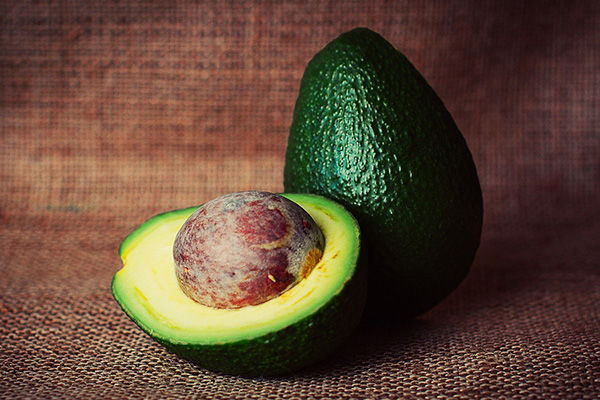
The Alligator Pear: Ring any bell? You will most likely scratch your head—completely baffled what on earth that means. Native to Mexico, the pear-shaped fruit commonly known to us as avocado (Persea Americana Lauraceae) got that outlandish name for its coarse, leathery rind redolent of alligator skin. Amusingly, it’s also called butter fruit in Europe and America for its creamy pulp.
The next name of this fruit, I bet, will make you grin from ear to ear. Native to South Central Mexico, dating as far back as 10,000 years, the native Nahuatl people, including the Aztecs, called this pebbly-skinned pear-shaped fruit the “Ahuacatl,” meaning the “testicles,” believed to work as an aphrodisiac.
This pit-bearing fruit got its name, avocado, worldwide in 1915 when Californian farmers initiated its farming. Today, although the fruit is grown globally, Mexico stands as the largest avocado producer in the world.
Among many varieties, the Hass and Fuerte are widely preferred by avocado lovers, the former blackish and the other with a green shade and thinner skin. Of the two, the coarse-skinned Hass is favored more than its cousin, the Fuerto, for its soft creamy pulp and smaller pit.
Incredible as it may sound, avocados pack nearly 20 vitamins plus minerals, and they are the only fruit that contains a substantial amount of monounsaturated fatty acids.
As little as half an average-sized avocado packs almost 140 calories and 15 grams of fat—75 percent of the total fat is healthy monounsaturated. It is cholesterol and sodium-free, rich in fiber, and packed with folates and vitamin E. Likewise, dense in potassium, one-half of the avocado contains more potassium than a medium banana—487 mg against 422 mg, respectively. Health food buffs have touted it as a ‘Superfood.’
Now, the health benefits of avocado appear staggering if introduced into our meal plan. Let’s consider looking into the health rewards of the nutrient-dense fruit.
Supports the Cholesterol Level
Our body comprises two kinds of cholesterol: the ‘good,’ called HDL (high-density lipoprotein), and the ‘bad,’ called LDL (low-density lipoprotein). A severe hike in LDL can lead to life-threatening outcomes, running the risk of heart disease and stroke. The HDL absorbs cholesterol in the blood and transfers it to the liver to flush it out from the body.
Science backs it that avocados are loaded with oleic acid (omega-9 fatty acid) and the richest source of cholesterol-lowering nutrients called phytosterols, boosting the healthy HDL and cutting down on the culprits, the LDL and the triglycerides.

Avocado health benefits-calories
Also Read: Beetroot Benefits & Origins: Can Beets Reduce Blood Pressure?
Research published by the American Heart Association maintained that daily intake of a single avocado can lower the LDL level. Clinical studies on individuals with high cholesterol levels furnished compelling evidence for this finding with remarkable results. Following a week-long diet of avocado, the analysis led to a 22 percent drop in the LDL and triglycerides while the HDL standing elevated by 11 percent.
The significant risk factors for cardiovascular disease are bad cholesterol and saturated fat. Again, rich in monounsaturated fat, folate, fiber, potassium, and a plant compound, beta-sitosterol, avocados help keep the cholesterol level in check.
Fine with diabetes
People with diabetes are supposed to tread a fine line between healthy meals and sugar spikes. Given that, the high-fat content in avocados might sound contradictory, inviting a bad rap.
A medium-sized avocado contains about 22 grams of fat (15 grams monounsaturated, 4 grams polyunsaturated, and 3 grams saturated). Thus, avocados with loads of ‘good fats,’ with an insignificant amount of saturated fat, still offer health benefits for diabetes patients.
Clinical observation has testified that a diet high in monounsaturated fat supports insulin sensitivity and advances the GLUT4 glucose in the cells.
Low in sugar content and dense in dietary fiber, soluble and insoluble, the consumption of avocado enhances glycemic management and stalls blood sugar spikes. It also helps spur better digestion and may reverse insulin resistance in type 2 diabetes.
Nourishing for expectant mother and baby
Obstetricians and dietitians also advise expecting mothers to eat avocado, and some of them even amusingly call it “oh-so pregnant fruit.”
Clinical studies maintain that in early pregnancy, an ample supply of folate is essential to prevent neural tube defects (congenital disabilities of the brain and the spinal cord) in unborn babies.
The wonder fruit, loaded with folate, potassium, vitamin C, vitamin B6, fiber, monounsaturated fats, and lipid-soluble antioxidants, avocado cuts the risk of congenital disabilities. It improves maternal health, birth outcome, and breast milk quality. Because of its high potassium content, avocados also help relieve leg cramps, common during pregnancy.
Safeguards the kidneys
Maintaining a healthy heart is crucial, as is the delicate care and safeguarding of our kidneys lest they run high risks of harm with critical results. A rich source of vitamins, minerals, and antioxidants, a single avocado packs over 480mg of potassium, which nourishes the kidneys. Specialists support the idea that a moderate amount of avocado may help even chronic kidney patients in critical stages.
Even tea made from avocado leaves works as a kidney cleanser, flushing wastes and toxins from the kidneys.
Keeps eyes healthy
Avocados are rich in vitamin E and compounds like lutein, zeaxanthin, and carotenes. Research studies maintain that it supports eye health. With antioxidant properties, they also assist in fighting off eye diseases that come of age, such as macular degeneration and even cataracts.
Incorporating avocado into your meal plan supports your eye health. It is rich in compounds called lutein and zeaxanthin (belonging to the carotenoid family). They maintain your eye health with antioxidant properties and fight off eye diseases that come of age, such as macular degeneration and even cataracts.

Avocado health benefits
Also Read: The Healing Herb Rosemary And Its Health Benefits
Nourishes the skin
Besides, ladies also try a thin slice of avocado peel and its fruit paste mixed with almond oil under the eyes, thought to remedy dark blotches. For the oil content in the peel, too, rubbing the peel on dry skin of the face works wonders, they claim. Women also use the creamy paste of the fruit as a DIY face mask to hydrate and moisturize the skin. It is supposed to make the face skin soft and silky.
Some tips about buying
When buying avocados, go for the firm ones, discarding those with soft, dark, sunken spots or bruises. You can store them in the refrigerator for ripening, which takes four to seven days. If you wish to ripen them earlier, stow them in a paper bag in your pantry; that takes less time to ripen.
Like all other fruits, avocados are eaten raw, sliced, and eaten by scooping its creamy fruit like ice cream from a cup. The avocado pulp mashed into a fine paste makes a superb spread, substituting butter for bread, sandwiches, and rotis. It works wonders as a salad accompaniment, too.
Or, if your taste buds crave a seasoned sauce or spread, mash the fruit, add lime juice, and season it with a pinch of salt and cilantro. Voila, you have blended it into an incredibly popular Mexican dip or spread called guacamole.
It is a small wonder the fantastic avocado has won over the hearts of people across the globe today. The bottom line? The splendid nutritious fruit worth its weight in gold is, by all counts, a ‘Superfood” and a “Superfruit.” Indeed!
Disclaimer: The above content provides generic information based on research work. It is in no way a substitute for a qualified medical opinion. Always consult a specialist or your health care provider for further details.



Leave a reply
-
So, what are Tibetan Singing Bowls?
If you are a novice, at first glance, Tibetan singing bowls look ...


