
How Does Lupini Beans Help Your Body? Health Benefits
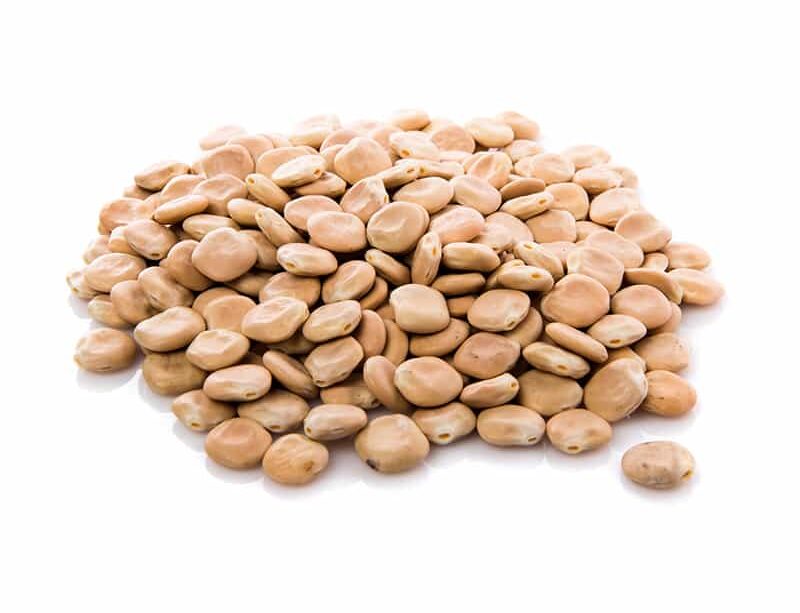
Lupin beans
It’s an open secret that legumes and beans, such as chickpeas, kidney beans, soybeans, and lentils, with their robust and plant-based source of protein, fiber, iron, and vitamins, have long been a driving force of health benefits.
In recent years, a new entrant from the Mediterranean, the Lupini beans, with their spectacular repertoire of nutrient-dense perks, has sneaked into the domain of other beans and will most likely be short-listed as a candidate for the next superfood.
Lupini beans are lemon-colored legume seeds from the Lupinus albus plant. The plant is native to the Mediterranean region, encompassing Morocco, Syria, Italy, Tunisia, France, Spain, Jordan, Libya, Lebanon, Greece, Egypt, Israel, and Cyprus.
Lupin beans are a pea family member (the Fabaceae, also Leguminosae) and are closely related to chickpeas, soybeans, lentils, and peanuts. They are a popular snack in the Middle East and Latin America.
Delving into the annals of history, we find that lupin seeds have been a dietary staple for six millennia in the Andes and three millennia in the Mediterranean basin. Incredible as it may sound, Australia today accounts for almost 85% of the world’s total consumption of lupin beans.

Lupin beans
Lupin beans are not your typical legume. Redolent of lima beans, they carry a semi-sweet, nutty flavor and a firm, hearty texture. Like olives and gherkins, they are often sold in jars floating in brine. Lupin beans are popular snacks; you can enjoy eating them with or without their skin. If you prefer skinless, you can make a small tear in the skin with your teeth or strip it off by pinching it between your fingers.
It’s a unique eating experience, almost like popping candy into your mouth. They are so prevalent in Italian cuisine that many bars and cafes in Rome serve them as a snack, replacing the ubiquitous peanuts.
It’s time to investigate what excites people about lupin beans, which are unfamiliar like other legumes, for their alleged health benefits. Here we go.
All legumes and beans contain fiber, protein, carbohydrates, B vitamins, iron, copper, magnesium, manganese, zinc, and phosphorous. Legumes are also cholesterol-free because they are plant-based, low in fat, and free of saturated fat. Let’s take a look at the nutritional profile of lupin beans below.
|
Nutrition Facts |
|
| Serving Size | 0.5 cup (83g) |
| Amount per serving | Lupin Beans |
| Calories | 99 |
| %Daily Values* | |
| Total Fat 2.4g | 3% |
| Saturated Fat 0.3g | 1% |
| Trans Fat 0g | |
| Polyunsaturated Fat 0.6g | |
| Monounsaturated Fat 1g | |
| Cholesterol 0mg | 0% |
| Sodium 3.3mg | 0% |
| Total Carbohydrate 8g | 3% |
| Dietary Fiber 2.3g | 8% |
| Protein 13g | |
| Vitamin D 0mcg | 0% |
| Calcium 42.5mg | 3% |
| Iron 1mg | 6% |
| Potassium 203.4mg | 4% |
* The % Daily Value (DV) tells you how much a nutrient in a serving of food contributes to a daily diet. 2,000 calories a day is used for general nutrition advice.
Source: https://www.nutritionix.com/food/lupin-beans
A repository of a staggering array of macronutrients, lupine beans boast having three times more plant protein than quinoa or chickpeas, threefold more fiber than oats or chia seeds, thrice more amount of antioxidants than berries, three times more potassium than bananas — and beats kale in iron content by as much as three times.
Can you imagine a cup of lupin beans contributes 26 grams of complete protein, daring the rest of the legumes and beans?
*Heart healthy
Lupin beans, with their plant-based high protein content, help relax our blood vessels and reduce the chances of hypertension. They also improve blood flow in the heart and enhance vascular endothelium functions. Also a good source of all nine essential amino acids, including arginine, these wonder beans may aid in lowering blood pressure.
Besides, lupin beans’ high fiber and low calories help lower bad cholesterol (LDL) and manage good cholesterol (HDL), thus reducing the risk of hypertension, stroke, and cardiovascular disease.
*Fortifies gut health
A functional digestive system plays a significant role in maintaining overall good health. The fiber-rich lupin beans, as a dietary regime, promote the gut microbiota, check harmful intestinal bacteria, and support the growth of probiotic bacteria, thus safeguarding your gut health from disorders and harm.
*May aid in lowering blood sugar level
Diabetes is a chronic metabolic disease that has reached a pandemic stage, as some 422 million people worldwide suffer from it. To address this chronic disease with no cure, incorporating foods high in dietary fiber and low in glycemic index takes priority over other foods to maintain and manage the blood glucose level. Clinical studies and research have led to the findings that the seed protein called y-conglutin and a low GI profile in lupin beans may aid in lowering the blood glucose levels in type-2 diabetes.
*May reduce the risk of Anemia
A deficiency of hemoglobin or healthy red blood cells causes Anemia. A good supply of hemoglobin is fundamental to pumping oxygen from the lungs into the body’s tissues to survive.
Your body needs adequate iron, especially the bone marrow, which needs iron to produce hemoglobin. Without enough iron, the body can’t forge adequate hemoglobin for red blood cells.
A regular diet of lupini beans lowers the risks of Anemia. They are rich in vitamin C, which aids in iron absorption in the body and promotes the production of healthy hemoglobin.
*May help bolster immunity
Beans are a perennial source of protein, which plays a pivotal role in building cells, including those of the immune system. Your immune system, or your body’s natural defense mechanism, consists of trillions of cells and proteins found in your blood and each body’s organ safeguarding you from a line-up of infections, allergies, and diseases.
Loaded with immune-reinforcing vitamins like C, A, B, and magnesium and a significant source of polyphenols, lupini beans help hoist the entire immune system and keep diseases at bay.
*May enhance bone health
With age, bone degeneration and muscle decline are inevitable. Foods rich in calcium, magnesium, and proteins help foster bone and muscle health.
Lupin beans are rich in nutrients such as energy-boosting B vitamins and bone-strengthening phosphorus, calcium, minerals, and proteins. These help enhance the mineral density of the bones and fortify the bones and muscles, lowering the risks of bone-related problems like fractures and osteoporosis.
There is more: a regular intake of the protein-dense lupini beans may also nurture your skeletal muscles, which make up 30 to 40 percent of your total body mass, and enhance muscle and joint fluidity.
Also Read : Debunking The Coffee Myth
Caveat
According to the FDA (the Food and Drug Administration, USA), some people, especially those allergic to peanuts, may have allergic reactions to eating those legumes.
Because of their high alkaloid content, all lupini beans were toxic and tasted bitter, even acrid. They needed extensive soaking in cold water to wash off their bitterness and toxicity and make them safe to eat. Some side effects included dizziness, skin rash, dilated pupils, fever, and nausea.
However, with the advent of the “sweet” lupin variety, you must soak only a few hours. Always follow the instructions on the package and exercise moderation when adding it to your regular diet regimen.
Disclaimer: The views expressed in the above text are solely research-based, not medical advice; the author solicits readers’ discretion and cross-references or consulting a healthcare provider for further confirmation.



Leave a reply
-
So, what are Tibetan Singing Bowls?
If you are a novice, at first glance, Tibetan singing bowls look ...


