
Raisin Bran’s Fiber Power: What You Need To Know
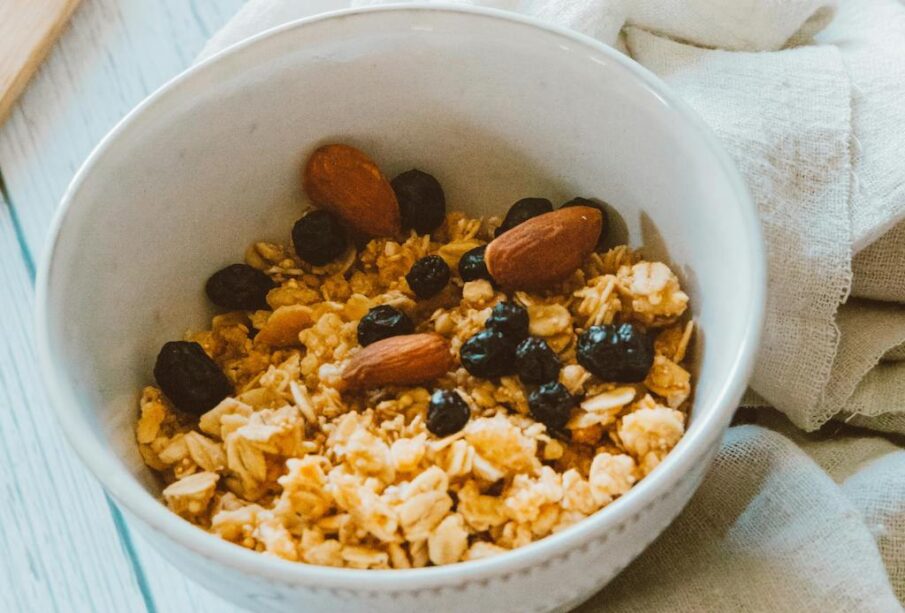
Raisin Bran
If viticulture or grape cultivation is as ancient as civilization, the annals of history chronicle the consumption of raisins as far back as 2000 B.C. in Persia and Egypt.
Raisins are simply grapes that have been sun-dried or desiccated in a dehydrator to turn into shriveled grapes. Grapes contain nearly 80% water, so they dry in three to four days if sun-dried the traditional way or 24 to 48 hours in a dehydrator.
Turning freshly harvested grapes into raisins may sound easy. However, obtaining the best results requires care and compliance with specific processes.
There are three primary varieties of dried grapes: raisins, sultanas, and currants. The variety of raisins depends on the grapes’ type, size, and color, which may vary from green, black, and purple to blue and golden.
Further, there are seedless varieties, including the sultana, the Zante currant, and Flame grapes. The Thompson Seedless, regarded primarily as a raisin cultivar, is a white table grape extensively cultivated in California and responsible for nearly half the world’s raisin output.
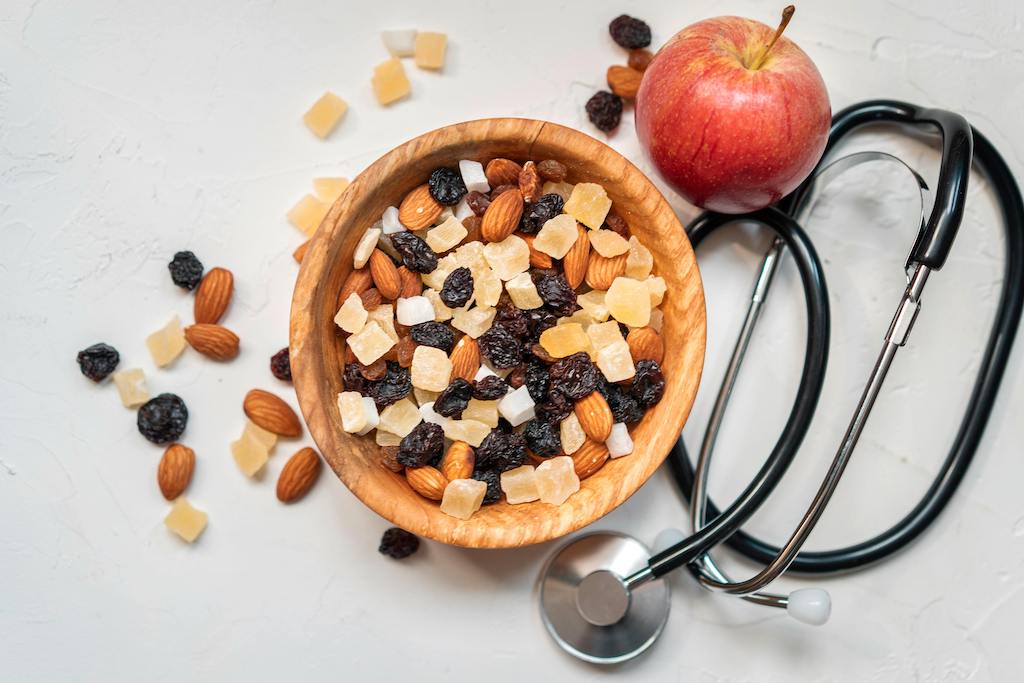
Raisin
Of the three types of dried grapes, raisins and sultanas are spongy, chewy, sweet, and juicy, while currants have an intense, sweet, and tangy taste. Raisins are typically the largest among the three. Did you know it takes four tons of grapes to churn out one ton of raisins?
Of the 1.2 million tons of global raisin production in 2020-21, the top three producers were Turkey, the United States, and Iran, consecutively. Incredible as it may sound, in global grape production, 71% goes into making wine, 27% as fruit, and a scanty 2% to make raisins.
Sweet, juicy, and chewy, they’re often found in oatmeal cookies, granola bars, fancy scones, and cinnamon rolls and seem to appear everywhere, from homes and bakeries to children’s snack boxes.
Raisin Bran
When it came to pairing, the off-the-shelf, lightly sweetened breakfast cereal made with crispy, toasted bran flakes and chewy, toothsome raisins became a staple in households throughout the United States. It is known as Raisin Bran.
Regardless of various brands of raisin bran, most raisin bran cereals contain whole grain wheat, raisins, wheat bran, sugar, brown sugar syrup, malt flavor, salt, and added vitamins and minerals.
Among over 50 brands of raisin bran invading the U.S. market, Kellogg’s tops the list. This brand is calorie-dense and high in fiber, protein, and added micronutrients. With nearly 49 million boxes sold and over $172 million turnover, Kellogg’s has become a household catchphrase for breakfast cereals.
If you want to reduce sugar, add raisins to recipes such as banana bread, pumpkin bread, or cookies, which is a wise way to add sweetness more naturally.
But there’s more to raisins than just their delectable taste; they pack a punch of nutrition and health benefits.
Ironically, science supports the claim that raisins, a byproduct of grapes, contain more calories, sugar, and carbohydrates than grapes. Moreover, raisins contain more nutrients, such as fiber, iron, potassium, and iron. Like grapes, raisins also contain traces of vitamin C and B6. Let’s consider the nutrition rundown on raisins in the given table.
| Nutrition Profile | |
| Portion Size | 160g |
| Amount Per Portion | |
| Calories | 478 |
| % Daily Value * | |
| Total Fat 0.4g | 1% |
| Saturated Fat 0.2g | 1% |
| Sodium 42 mg | 2% |
| Total Carbohydrate 127g | 46% |
| Dietary Fiber 7.2g | 26 % |
| Sugar 104g | |
| Vitamin D 0 mcg | 0 % |
| Calcium 99mg | 8 % |
| Iron 2.9mg | 16% |
| Potassium 1190 mg | 25% |
* The % Daily Value (DV) tells you how much a nutrient in a serving of food contributes to a daily diet of 2000 calories. It is intended for general nutrition advice
Source: nutritionvalue.org
Benefits of raisins
Better heart health.
According to WHO, cardiovascular diseases (CVDs) are the leading cause of death, estimated at 17.9 million each year globally—factors such as high blood pressure, high cholesterol, and inflammation giving rise to its development.
Clinical research has found that raisins could help lower the risk of heart disease by reducing blood pressure and maintaining blood sugar levels. Their high fiber content, antioxidant properties, potassium-rich content, and low glycemic index all contribute to lowering LDL, or bad cholesterol, and regulating blood pressure levels.
As such, raisins as a snack could be a better alternative to other processed goodies, like crackers and chocolate chip cookies, to support and enhance overall cardiovascular health.
It helps maintain blood sugar levels
Studies show that raisins prevent blood sugar spikes because of their low glycemic index and other metabolic benefits. They also contain no fat, saturated fat, or cholesterol, and their fiber content and antioxidants slow down sugar absorption in the bloodstream, maintaining normal hemoglobin A1C levels.
However, raisins should be included in moderation in your diet because of their nutrient-dense properties, including natural sugar. Pairing raisins with lower G.I. Food can also improve results, reducing the overall glycemic impact.
Lower risk of chronic disease
Raisins contain higher levels of antioxidants than many other dried fruits, and the drying process concentrates these compounds.
Antioxidants help prevent cell damage caused by factors such as aging and lifestyle. Some of the more potent antioxidants in raisins are called phytonutrients. These plant-based compounds reduce the risk of chronic conditions such as diabetes, osteoporosis, and cancer. Phytonutrients may also lower inflammation, relieve pain, and protect your brain.
Functional gastrointestinal health
Raisins are a good source of insoluble fiber, which aids digestion and reduces stomach issues, including constipation. Sun-dried raisins also contain tartaric acid. Research shows that dietary fiber and tartaric acid may lower inflammation, work as a pre-biotic to support gut microbiota, let your intestines function better, and aid in maintaining the stability of bacteria in your gut. As such, it may also act as an ally to lower the risk of colorectal cancer.
Promotes bone health
Raisins are an excellent source of micronutrients like calcium, magnesium, potassium, and Vitamin D, substantially aiding bone health and maintenance. Another property called boron in raisins is a trace element that nurtures calcium metabolism, growth, and maintenance of bone tissue.
Better oral health
Scientists promote the oleanolic and linoleic acids found in raisins for their antibacterial properties. These acids may limit plaque-forming bacteria in our mouth, help prevent cavities, and maintain healthy oral pH levels.
These antioxidants also help maintain healthy oral pH levels and can prevent saliva from becoming too acidic, which can help prevent cavities.

Raisin
Also Read : Does Peanut Butter Make You Gain Weight And Put Muscle?
Lowers risk of anemia
Low blood hemoglobin in the body caused by iron deficiency is known as anemia. Without adequate iron, our metabolism fails to produce adequate hemoglobin for our red blood cells and bone marrow.
Scientific studies suggest that consuming raisins may mitigate such cases and maintain a healthy supply of hemoglobin.
Surprisingly, raisins’ health benefits do not end here. Medical experts also maintain that raisins’ antioxidant properties help safeguard our bodies from oxidative damage and free radicals, which can pose potential risk factors for cancer and tumor growth.
A word of advice: You should limit your daily intake of raisins because of their concentrated sugar content and calories. According to the Centers for Disease Control and Prevention (CDC), a carb serving is 15 g. So, only eat about two tablespoons of raisins at a time.
According to NIH, “overall, incorporating an 80–90 g portion of raisins (half a cup) into the daily diet may be favorable for human health.”
The above health perks suggest that raisins are a nutrient-dense food for better health and wellness. So why only go for almonds and walnuts when raisins offer you a chock full of health benefits? Be mindful, do not binge on them, and eat responsibly in moderation.
Disclaimer: The views expressed in the above text are solely research-based, not medical advice; the author solicits readers’ discretion and cross-references or consulting a healthcare provider for further confirmation.


Leave a reply
-
So, what are Tibetan Singing Bowls?
If you are a novice, at first glance, Tibetan singing bowls look ...


